
Color is one of the most powerful tools we have as quilters. It guides the eye, sets the mood, and quietly shapes the story a quilt tells long before anyone notices the piecing. When I’m working improv, color becomes even more important — it’s the thread that holds all the spontaneity together.
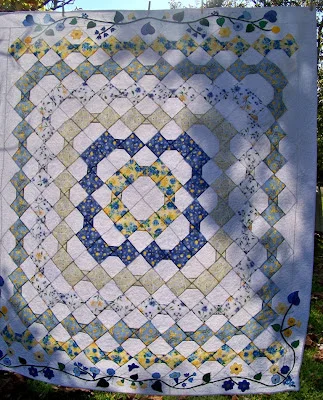
Lately, I’ve been thinking about how color doesn’t just decorate a quilt. It directs it. It nudges the viewer toward what to notice first, what to linger on, and what to feel. And when you start paying attention to those little nudges, your quilts begin to open up in new ways. In my parents’50th Anniversary Quilt, I used color to draw the eye to the center of the quilt. And though I was simply trying to finish the quilt, I put all the colors on the large border, which makes the viewer get closer to see the applique.
Color Is a Decision — Not Just a Choice
Every time you reach for a fabric, you’re making a decision that shapes the quilt’s personality. Even tiny shifts matter:
- A warmer red instead of a cooler one
- A murky teal instead of a crisp aqua
- A soft butter yellow instead of a bright lemon
These micro‑decisions add up and create harmony, tension, movement, or calm. They’re the difference between a quilt that feels quiet and one that feels like it’s humming.
The Magic of “Almost” Colors
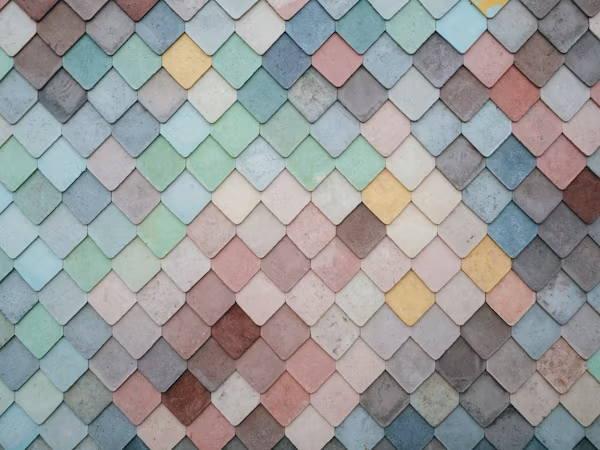
One of my favorite things to play with is the idea of “almost” colors — the ones that sit between categories.
Not quite blue. Not quite green. Not quite neutral. Not quite bright.
These “almost” colors are where the magic happens. They soften transitions, blur edges, and create those delicious moments where your eye pauses because something unexpected is happening. They make improv compositions feel like they’re breathing.
Let Your Palette Evolve
I rarely choose a full palette before I begin. Instead, I let the quilt tell me what it needs next. I love working with scraps and generally choose one color for background. Something I’m excited about it, and sometimes, I just have to use the pile that’s outgrown its basket. Once I get going I respond to the pieces as the blocks grow. Quite often now, I choose a background color, and the quilt tells me what’s next. It may be a particular block as in Daystar, below.
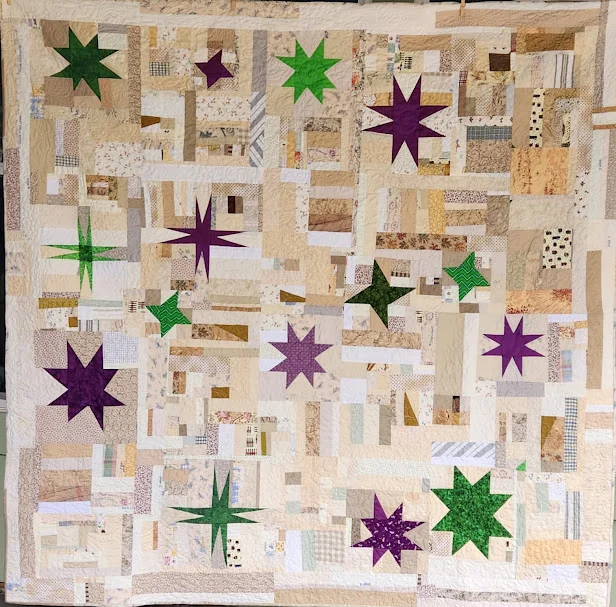
Sometimes a quilt asks for a bold contrast. Sometimes it wants a whisper. Sometimes it wants a color I didn’t like until that moment. Can you see how there’s a whisper of green/teal in Give Me Words? Green? Really? I find it a difficult color unless I’m mixing in some kind of nature print.
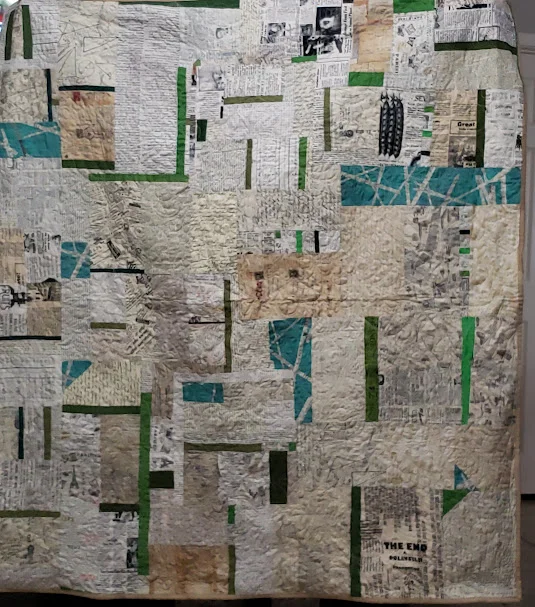
That’s the joy of improv — the quilt grows, and the palette grows with it. You’re not forcing harmony; you’re discovering it.
A Simple Way to Explore Color Today
If you want to play without committing to a full quilt, try this:
- Pull five fabrics you love.
- Add one fabric that feels “wrong.”
- Make a small improv block.
- Notice what that “wrong” one does.
Does it energize the block? Calm it down? Make everything else look better? Does the unexpected color become the spark?
Color Is a Quiet Teacher
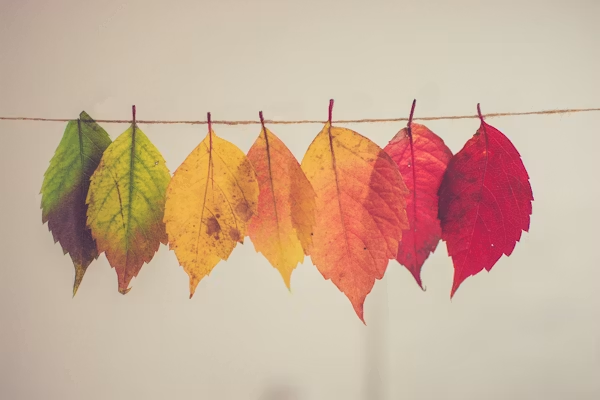
The more you play, the more color teaches you. It shows you how values interact, how saturation shapes mood, how neutrals can be just as expressive as brights. It teaches you to trust your eye — and trust your instincts.
Color isn’t just part of quilting. It is part of your voice. And when you let yourself explore it with curiosity instead of pressure, your quilts begin to carry that voice with clarity, warmth, and confidence.
Just a little reminder for myself today: let color lead. Don’t overthink it. Don’t rush it. Trust the shade that catches your eye, even if it feels odd or too quiet or too bold. Let the next color answer it. Let the block breathe. You don’t have to know the whole palette — you just have to begin. The rest will show up when you’re ready.